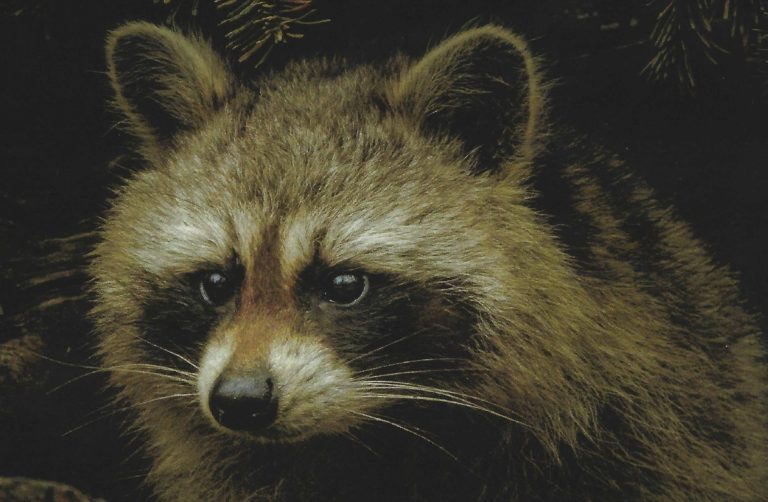
Raccoons are such furry bundles of cuteness, it’s hard not to want them in your garden. That is, until you get to know just how much havoc they can create.
I have a few raccoons that cruise my garden. They eat oranges and float around in the fountain. They used to get into my bird feeder. They pulled the feeder off the branch, opened it up, and ate the entire seed cylinder. So, I padlocked the feeder to the tree branch. I thought I was so clever, and for a while, this worked very well. Unfortunately, I left the key attached to the lock, and the raccoons took the key. No idea what they did with it. I’ve had a lot of fun, amusing, and beautiful experiences with raccoons, all from a safe distance.
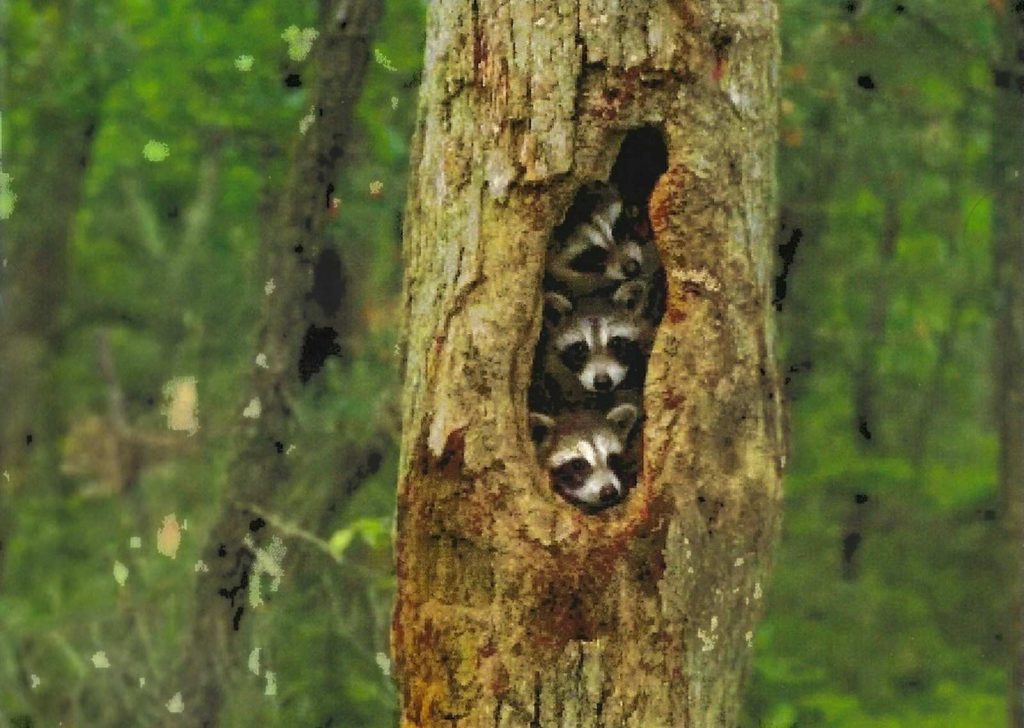
These animals may be cute, but they can be very aggressive and will defend themselves and their young. Raccoons are also quick. They can run up to 15 miles an hour, but prefer a leisurely rolling stroll. Raccoons have learned a lot about living around people, so let’s learn something about them. Raccoons are nocturnal and rarely seen during the day. On their nightly road trips to the South Bay, they seek out water, a basic for survival, and they are rather famous for dunking their food before eating.
They aren’t actually washing. They have very sensitive front paws, and they amplify their sense of touch through dousing their food and water. Although they have fine vision, they learn about what’s in their paws by touch, not sight. When you watch a raccoon eat, they don’t look at the food; they rub it in their paws. The front paws have five fingers surrounded by a thin layer of callus for protection. They’re attracted to fountains, ponds, and water dishes left outside. They live anywhere there is water, reliable food, and safe shelter. – This is an excerpt from Living with Wildlife by Suzan Hubert. This book is available at the Madrona Marsh Gift Shop; proceeds from sales benefit Friends of Madrona Marsh.
Please stop by to explore the special publications available only at the Madrona Marsh Nature Center in Torrance, California.