The Preserve
What is Madrona Marsh Preserve?
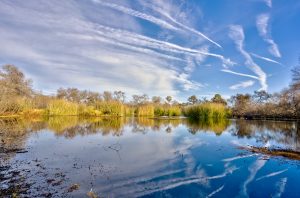
The Madrona Marsh Preserve is one of the last remaining vernal freshwater marshes in Los Angeles County. In the years since California’s discovery by the Europeans, development has removed virtually all of our native wetlands. Migratory waterfowl populations are less than 50% of what they were in 1900. Many species are now designated as threatened or endangered.
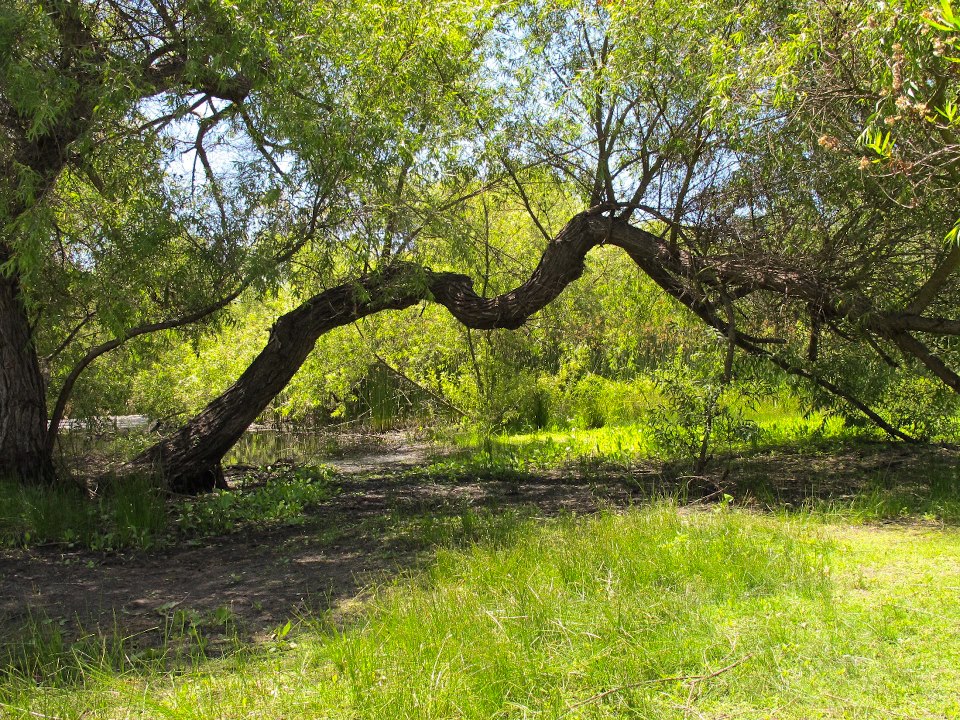
The Madrona Marsh Preserve is a mix of several microhabitats, including back dune, coastal prairie, alkali margin, vernal pool, and vernal marsh. It is situated within the greater El Segundo Sand Dune System. The fine sand particles of this ancient dune system have been carried from the coastal dunes by winds for thousands of years. Each of the Preserve’s habitats supports its own family of specifically adapted native plant species.
What is a vernal marsh?
A vernal marsh is a temporary pool of water that provides habitat for distinctive plants and animals. With no built-in water source, but located at the lowest point of the area, a vernal marsh is created by water collection from the runoff of the surrounding upland slopes. Vernal means spring, and typically, the marsh is fed by winter and spring storms.
The depression, which contains the Madrona Marsh, is apparently a swale in the ancient dune sand caused by aeolian processes. The marsh is fed by drainage waters and by rainfall. It has no outlet. Before the City of Torrance was developed, water for the marsh was supplied through natural channels; now, several storm drains flow into the marsh from the west side. Runoff from irrigation in the neighboring housing tracts flows into the marsh through these drains. During a rainstorm, heavy runoff from these routes flows into the marsh.
“SEA” Designation
The Madrona Marsh Preserve is classified as an “SEA.” A Significant Ecological Area (SEA) designation is given to land that contains irreplaceable biological resources. Individual SEAs include undisturbed or lightly disturbed habitat supporting valuable and threatened species, linkages and corridors to promote species movement, and are sized to support sustainable populations of its component species.
Part of the Los Angeles County Department of Regional Planning, the objective of the SEA Program is to preserve the genetic and physical diversity of the County by designing biological resource areas capable of sustaining themselves into the future. The County’s SEA Program began in 1980 with the adoption of SEAs in the Los Angeles County General Plan.
Why is protecting The Preserve significant?
Habitat Loss
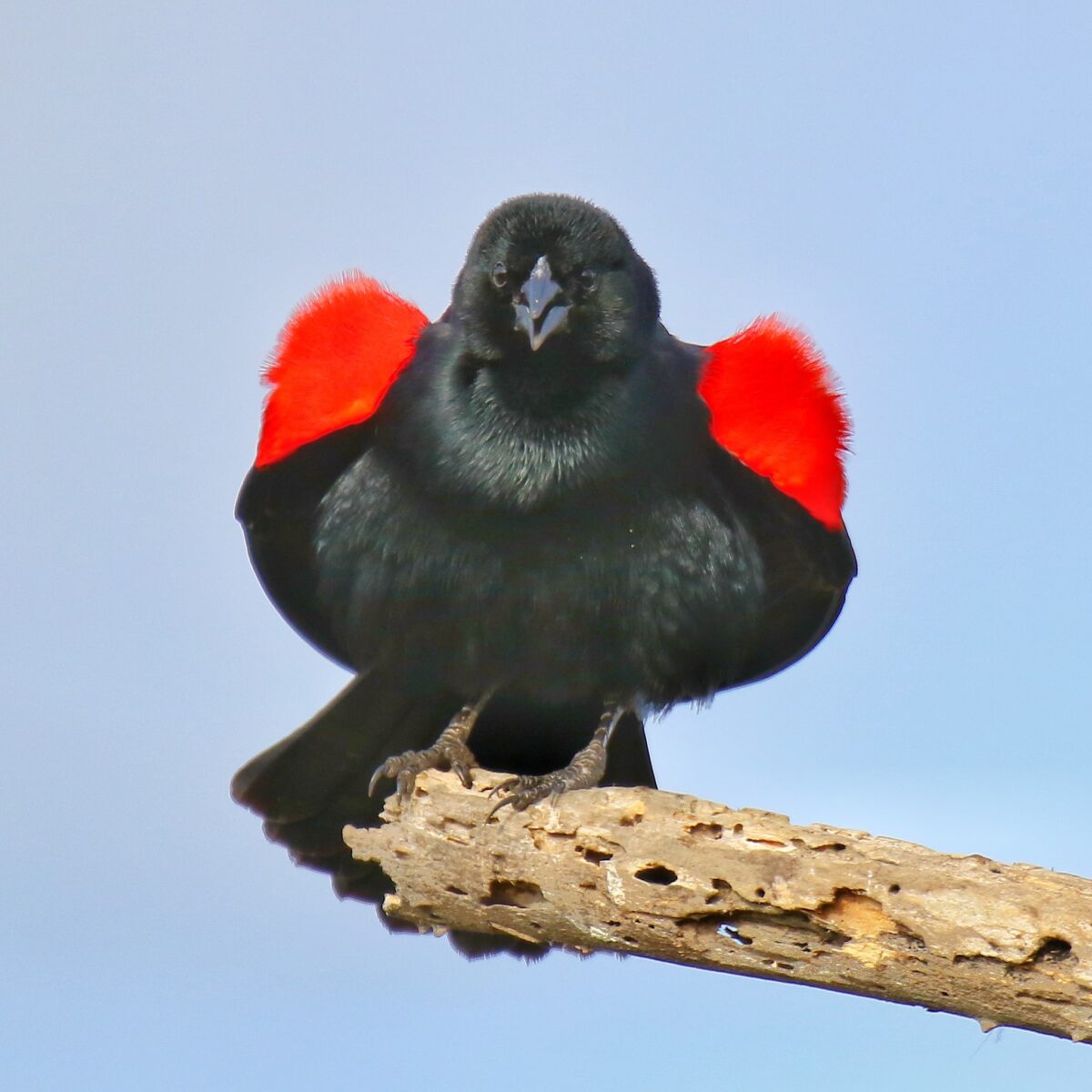
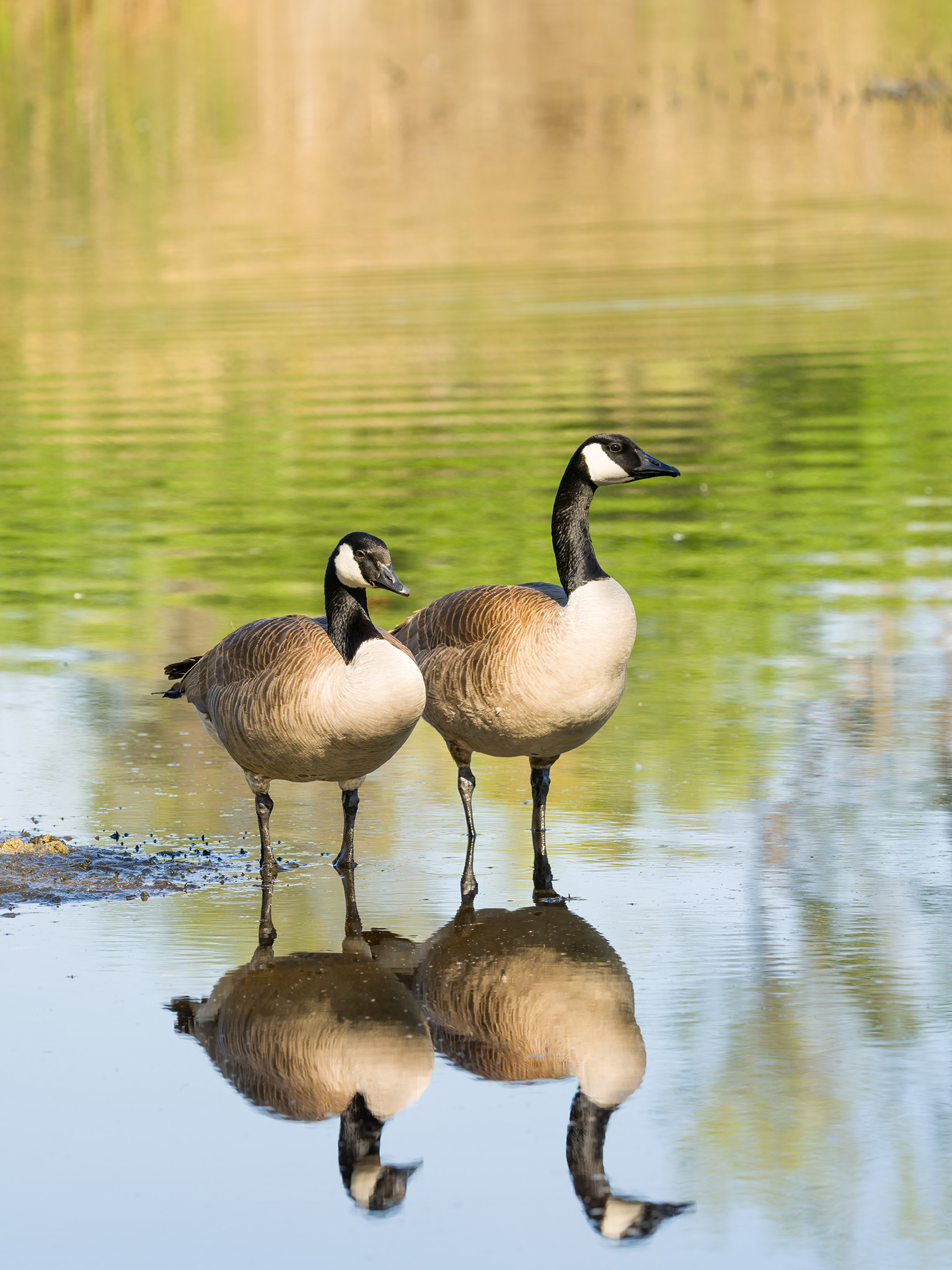
The Madrona Marsh Preserve is a part of, and is vital to, maintaining local wildlife corridors. As an urban oasis, Madrona Marsh provides food and rest for migrating birds on the Pacific Flyway. The wildlife corridors (such as regional parks, open spaces, gardens, sumps, and parkways) are essential because they allow individual and group species to move between suitable habitat patches that would otherwise cause their isolation. Also, corridors facilitate gene flow between isolated populations, helping prevent inbreeding and associated genetic problems in wildlife. Additionally, movement groups allow individuals to move from a habitat area used for one activity, such as feeding, to another used for breeding.
Wildlife Corridors
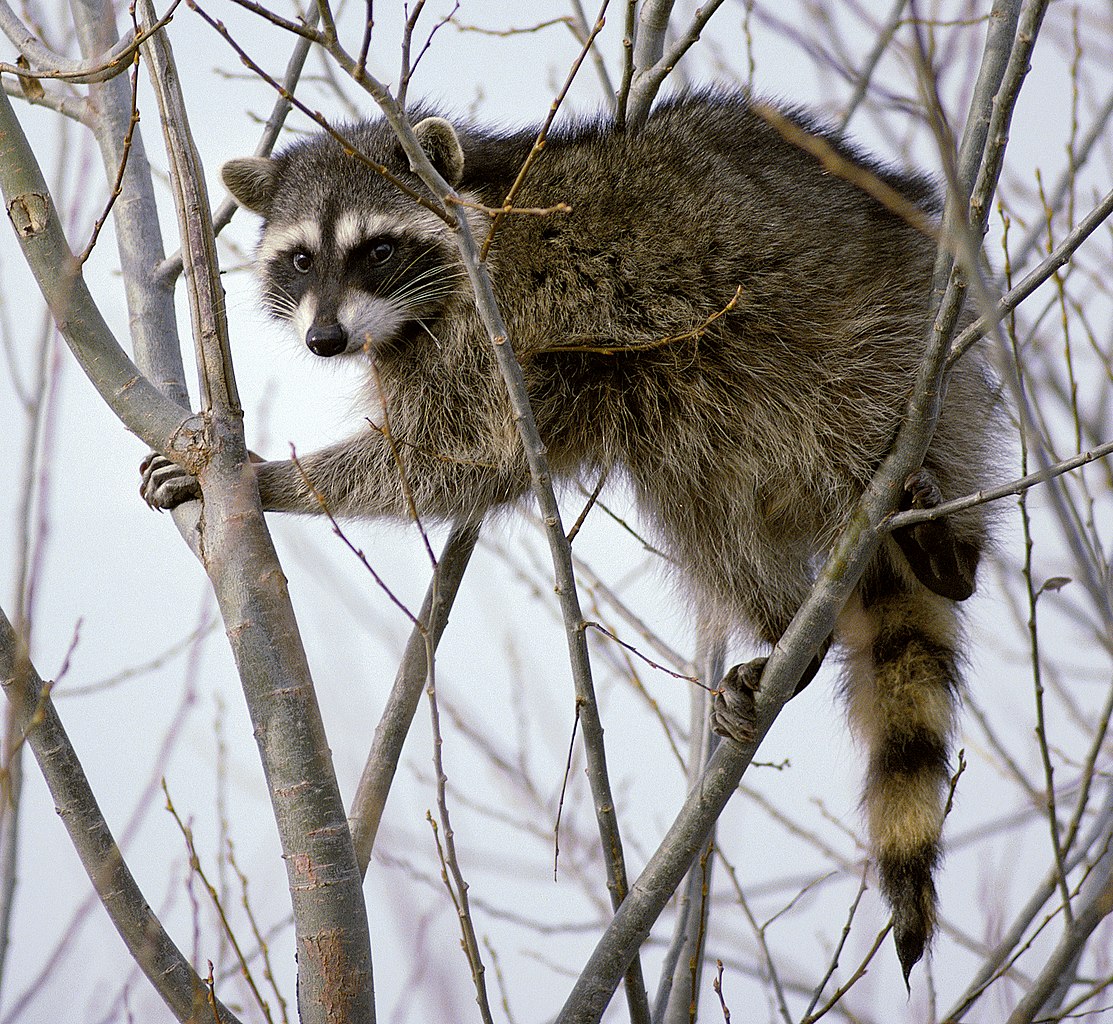
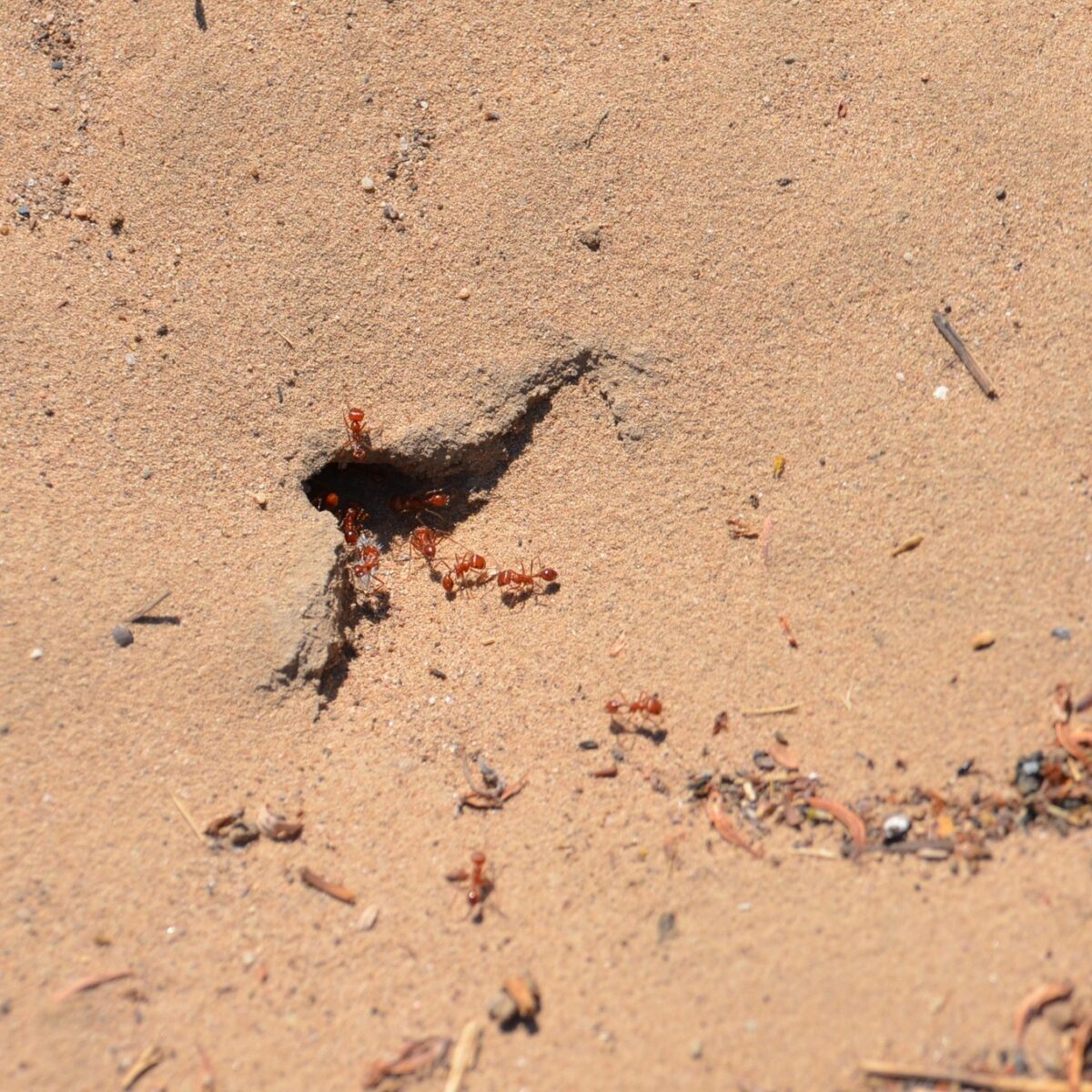
Areas of wildlife habitat in the South Bay continue to be lost to human population pressure and associated development. Although many individuals are working to preserve wildlife habitat in this area, the development of remaining undeveloped open space threatens the local habitat network. Economic expansion and continued population increase in the region contribute to habitat loss. With the loss of habitat, including the loss of corridors, open space patches that connect to larger open space areas, there is tremendous pressure on the remaining wildlife and habitat. Madrona Marsh Preserve provides a valuable habitat for birds, insects, spiders, frogs, reptiles, and small mammals. It is one of the last vestiges of the extensive marshland that once covered the Southern California Coastal Plain.